
Professor Zhijun Jin, an Academician of the Chinese Academy of Sciences and dean of the Institute of Energy and the Ordos Research Institute of Energy, Peking University, led a delegation to Austria from May 1 to 11, 2026. The program included the EGU General Assembly 2026 in Vienna, a progress meeting on a China-Austria research project funded through China's National Key Research and Development Program, visits to RHI Magnesita and Montanuniversität Leoben, and geological fieldwork. The delegation also paid a visit to the Embassy of the People's Republic of China in Austria.Professor Quanyou Liu, Research Professor Kaiqiang Zhang, Research Assistant Professor Ziqing Pan joined the visit.
At the EGU General Assembly 2026 (EGU26), Profs. Zhijun Jin and Kaiqiang Zhang convened the sessions "Carbon and hydrogen from mantle to crust: speciation, transport, and resource formation" and "Energy gas geo-storage across scales: from theory to practice," respectively. Prof. Quanyou Liu delivered a presentation titled "Formation and enrichment mechanisms of precious gas in sedimentary basins," while Prof. Ziqing Pan presented "Dynamic CO2 storage potential assessment via reactive transport." The delegation's participation in EGU26 further raised the international profile of the two institutes in energy geoscience and created a broader platform for future international collaboration.
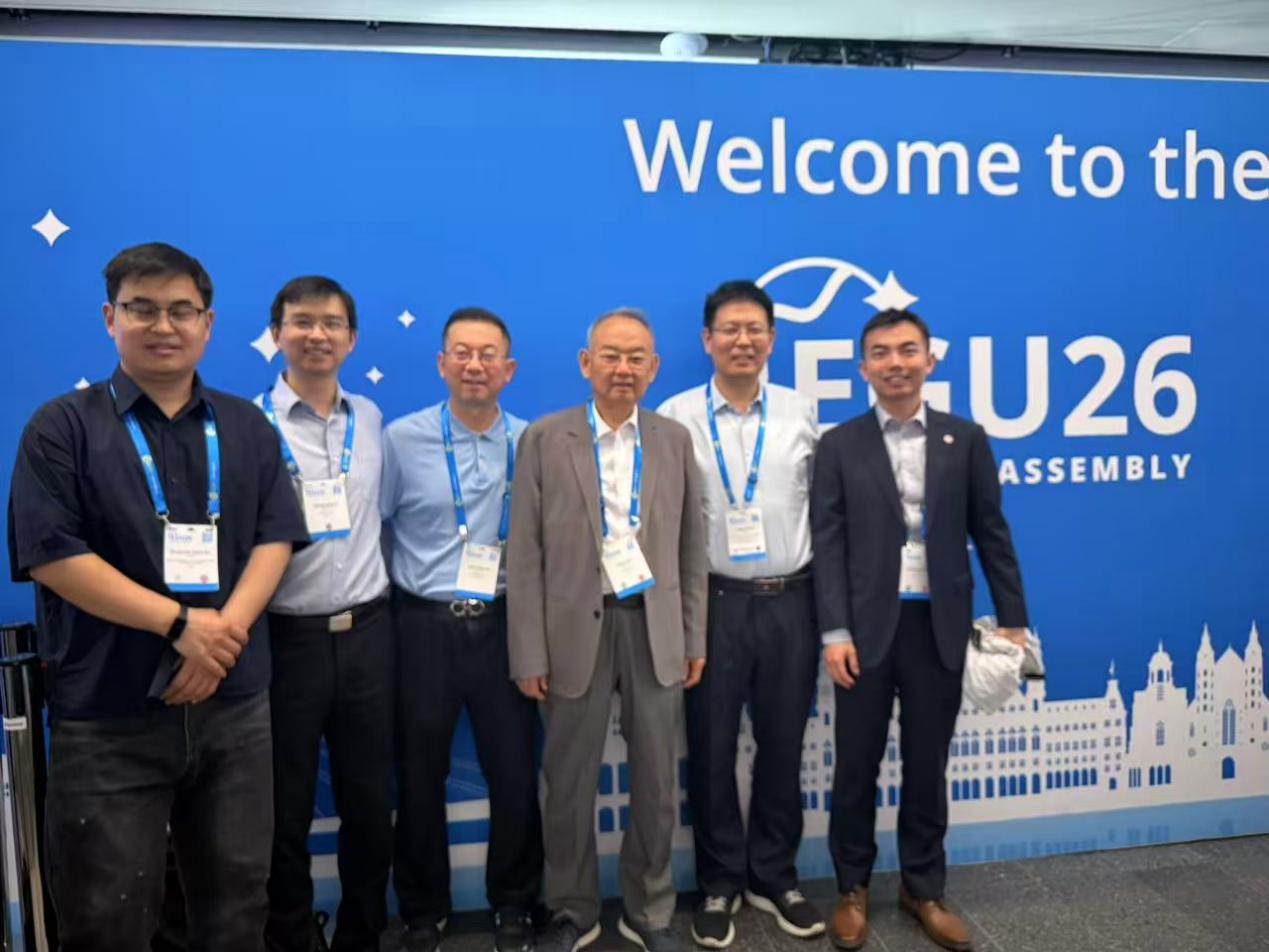
The delegation at the EGU General Assembly 2026
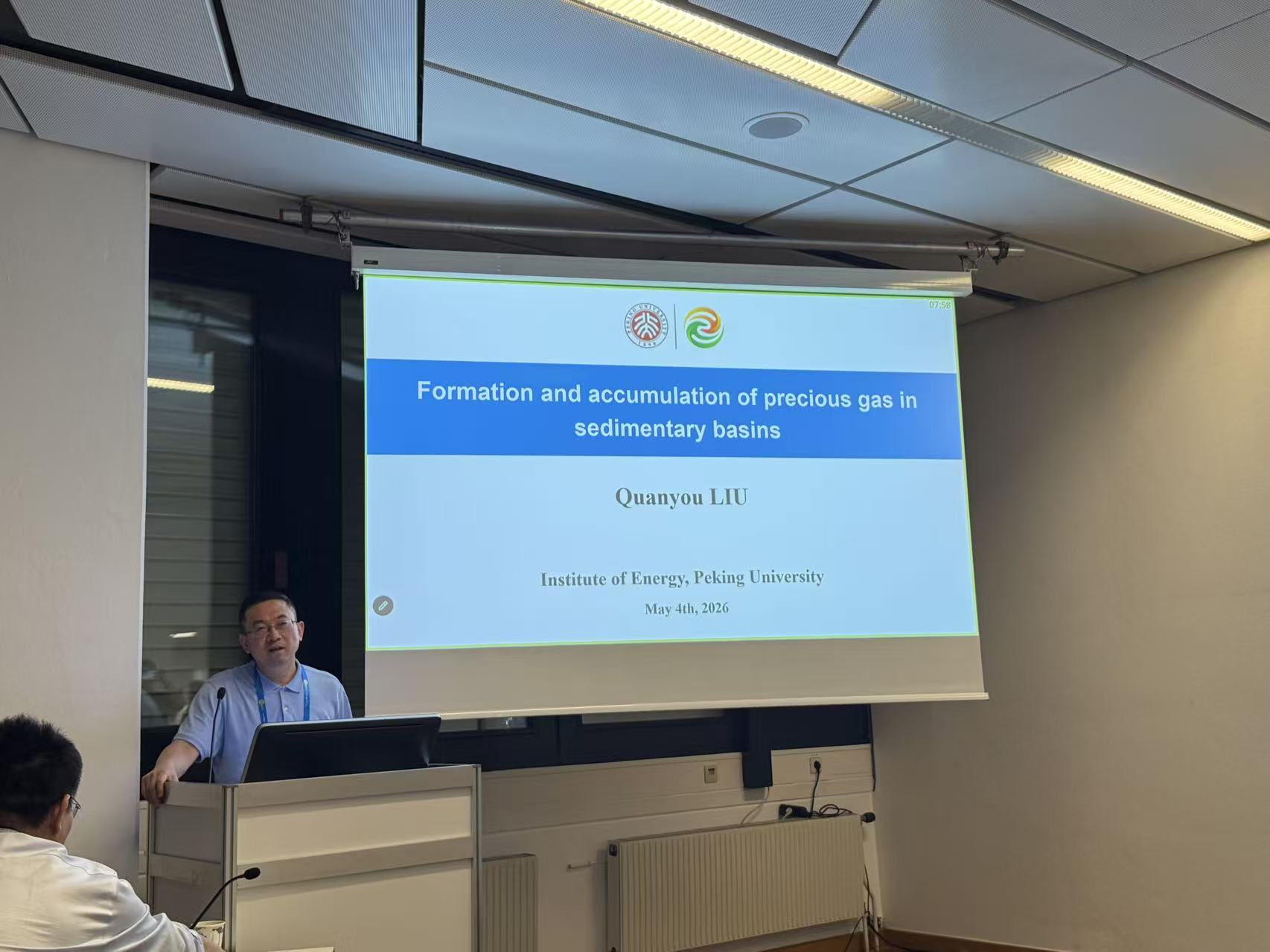
Prof. Quanyou Liu delivers a presentation at EGU26
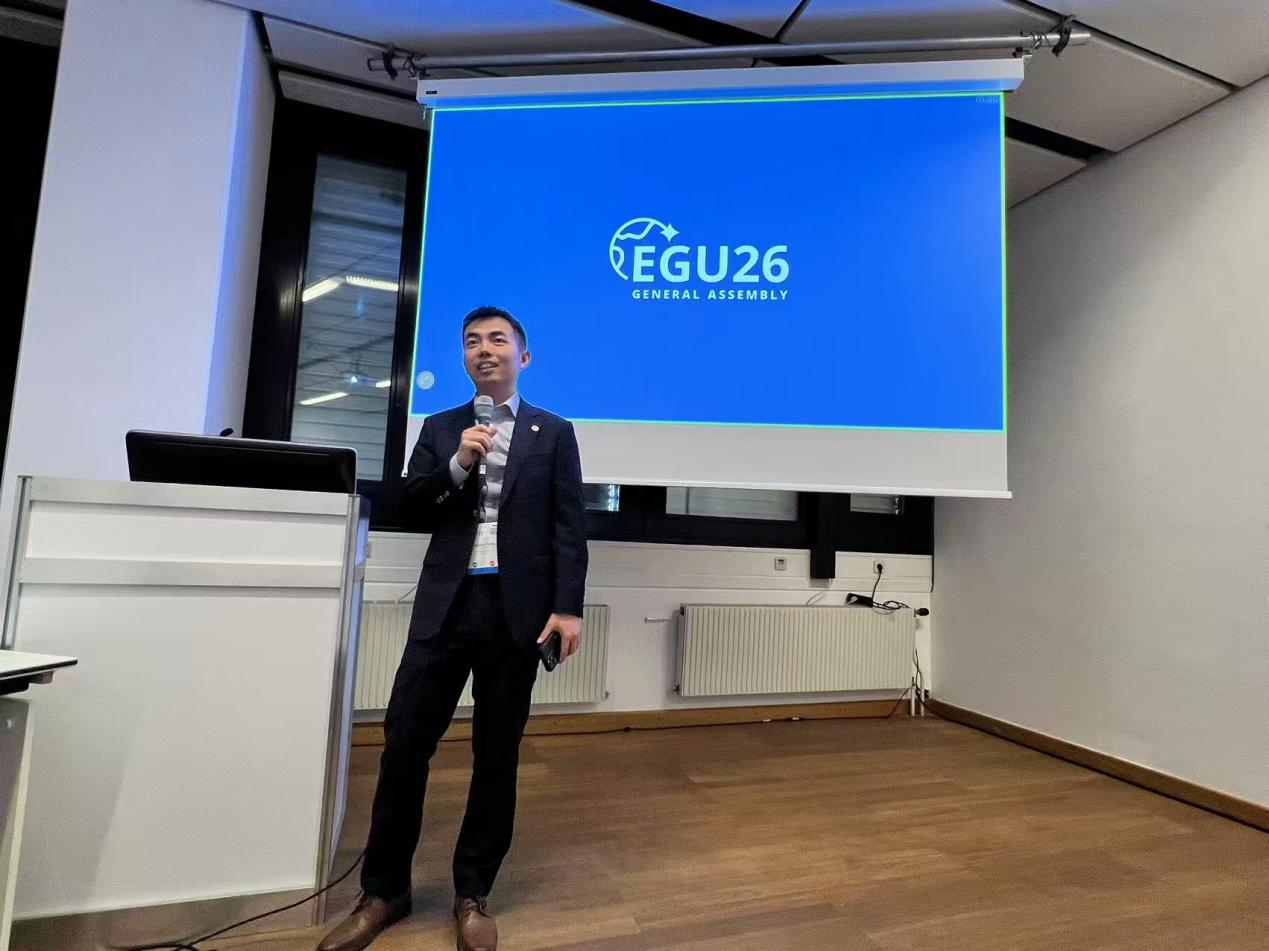
Prof. Kaiqiang Zhang chairs an EGU26 session
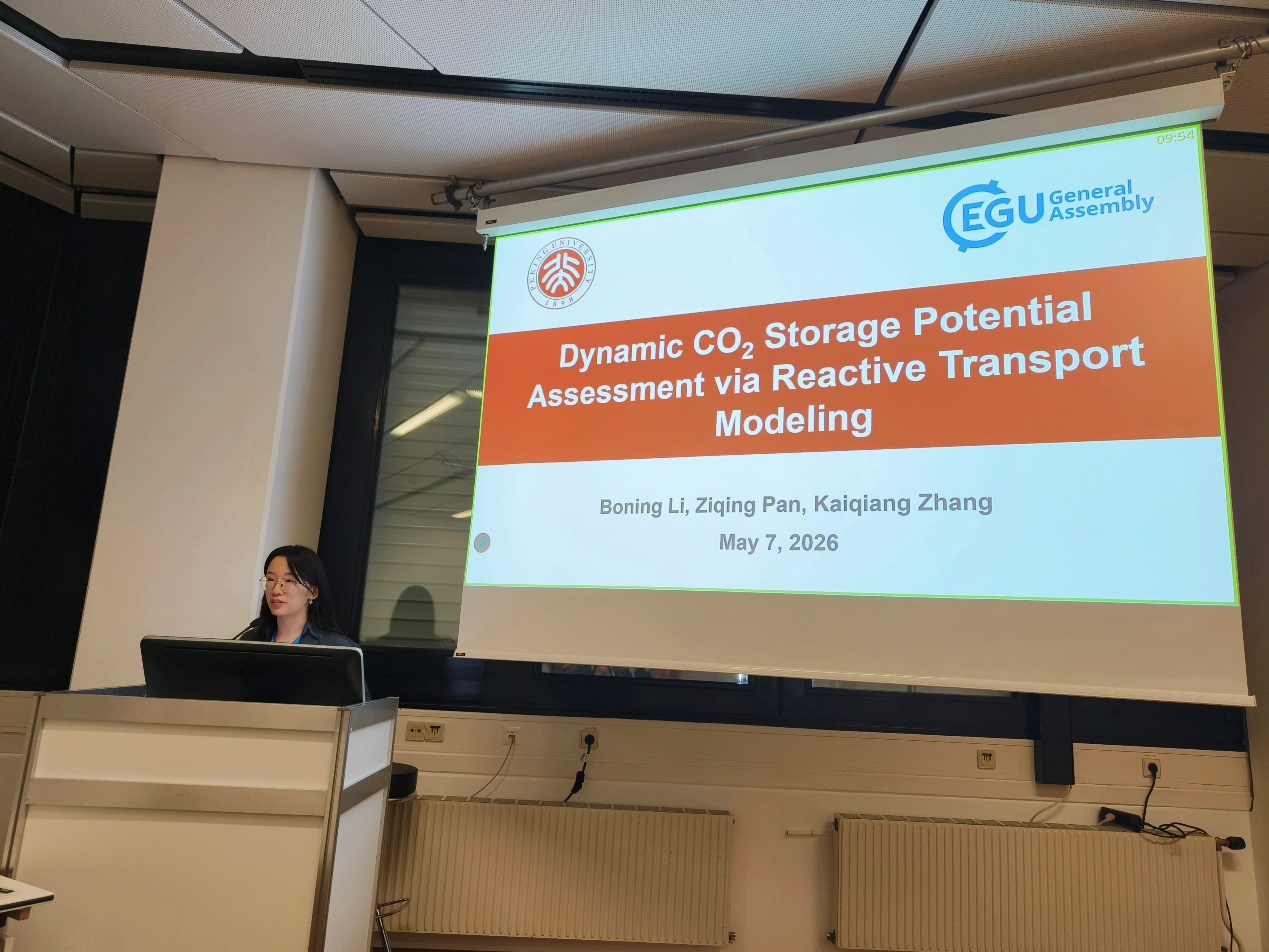
Prof. Ziqing Pan delivers a presentation at EGU26
Before and after the conference, the delegation carried out geological fieldwork in the northern foothills of the Alps and along the western margin of the Pannonian Basin. The team examined the lithology and structural features of representative geological sections. Rock salt is widespread across the area, creating favorable conditions for natural hydrogen accumulation and geological CO2 storage. The sites therefore offer both research value and application potential.
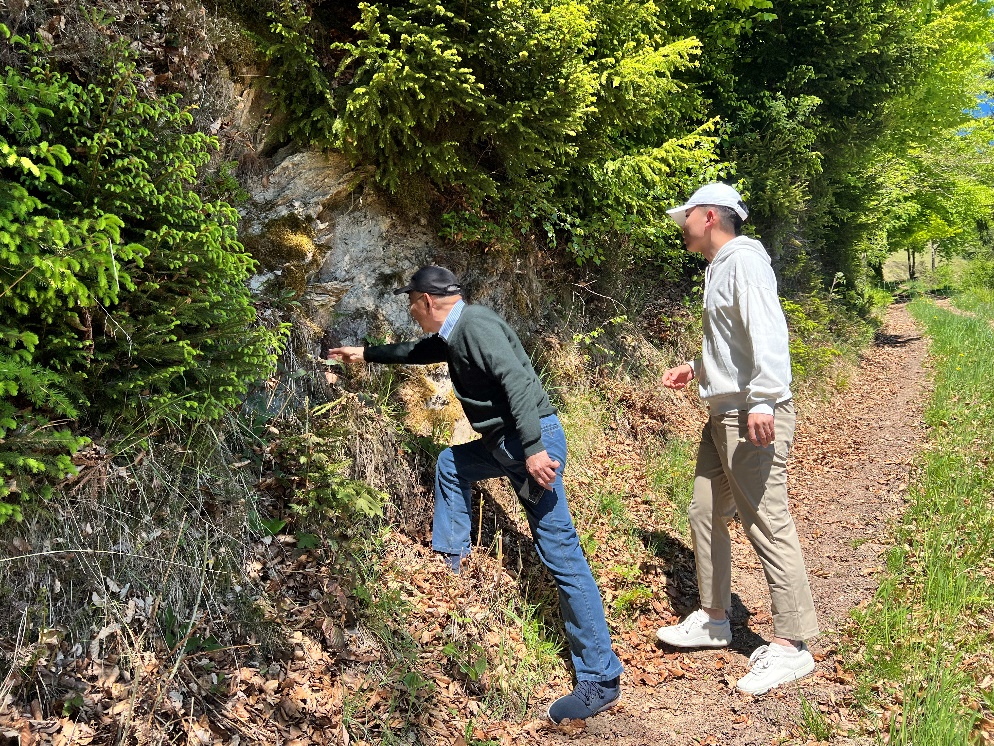
The delegation conducts geological fieldwork
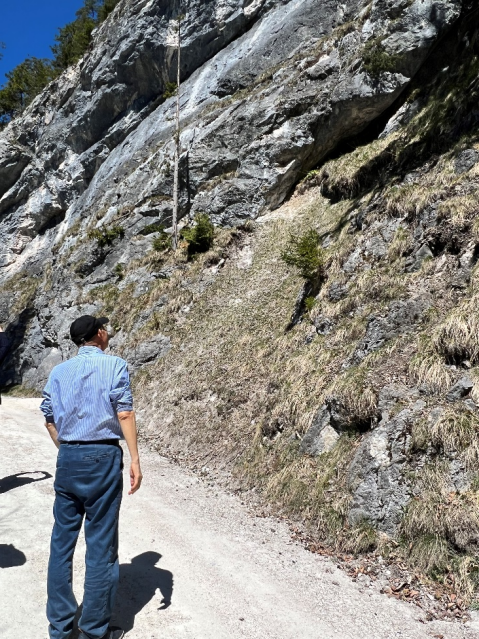
The delegation conducts geological fieldwork
The delegation also held a China-Austria progress meeting for the project "Key Technologies for in-situ CO2 Mineralization and Storage in Geothermal Systems." The project is a China-Austria intergovernmental industry-university-research collaboration project supported by the "Intergovernmental Cooperation in International Science and Technology Innovation" program under China's National Key Research and Development Program. Led by Peking University, it focuses on key technologies for in-situ CO2 mineralization and storage in geothermal systems. Through joint Chinese-Austrian research, the project aims to address million-tonne-scale carbon emissions from industrial operations and is the world's first carbon capture and storage project in the refractories sector. At the meeting, the two sides reviewed interim results and discussed next-stage work on pilot implementation, risk management, and deeper cooperation.
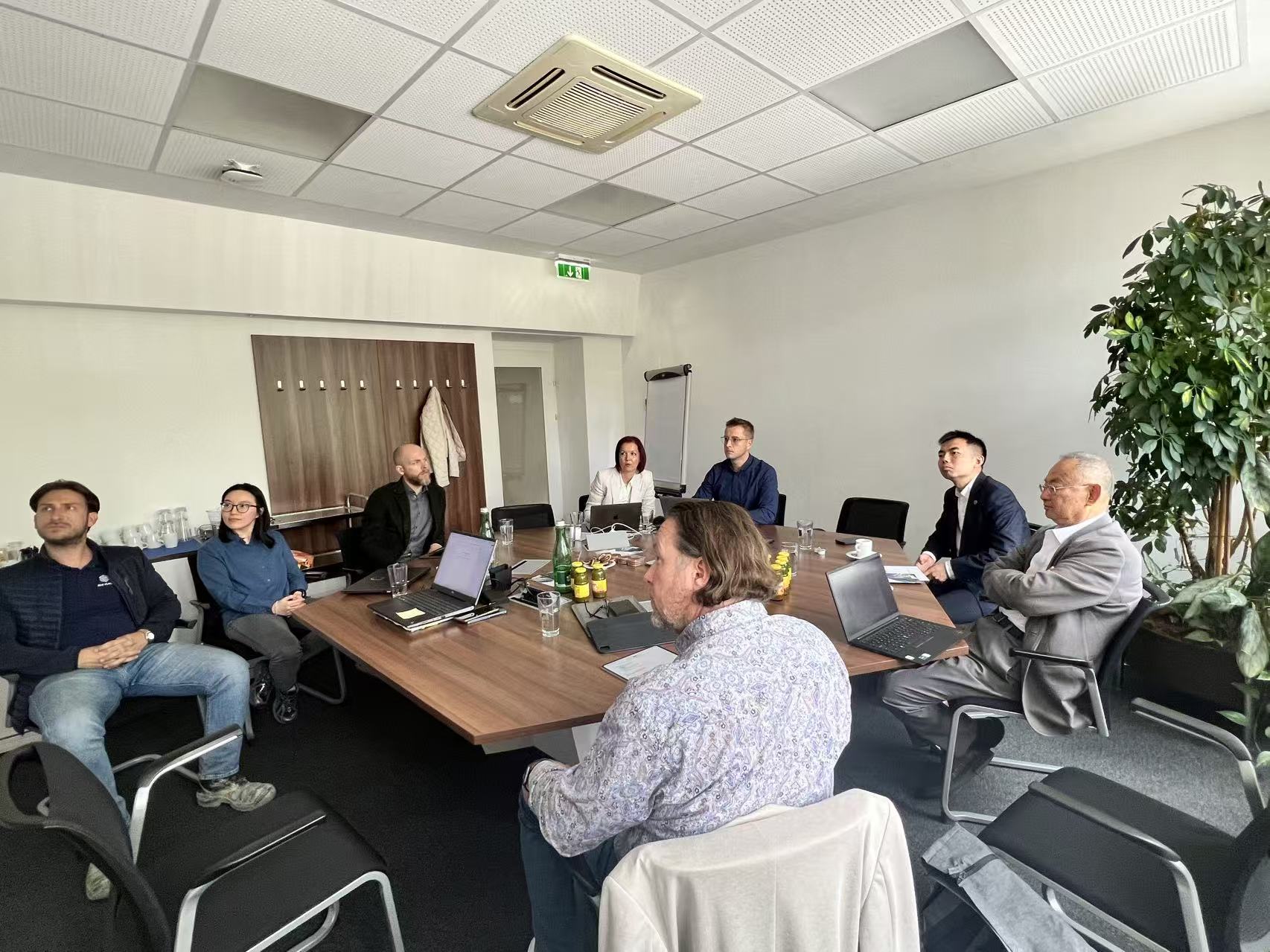
Progress meeting for the China-Austria intergovernmental industry-university-research collaboration project
Building on the intergovernmental project, the delegation visited RHI Magnesita and Montanuniversität Leoben for academic exchanges and cooperation discussions. At RHI Magnesita, the delegation met with Dr Herbert Cordt, Chair of the Board, Dr Thomas Prietl, Head of Global R&D and Innovation, and members of the company's R&D team. The two sides reached consensus on deepening cooperation in natural hydrogen exploration and carbon capture, utilization and storage (CCUS), moving from conceptual discussions into implementation through sample testing, data sharing, and technical validation. They also outlined priority areas and tasks for follow-up work. At Montanuniversität Leoben, the delegation met with Prof. David Misch, Head of the Department of Applied Geosciences and Geophysics. They exchanged views on advances in natural hydrogen exploration and geological CO2 utilization and storage in China and Europe, and reached preliminary agreement on joint talent development, fieldwork, and collaborative research.
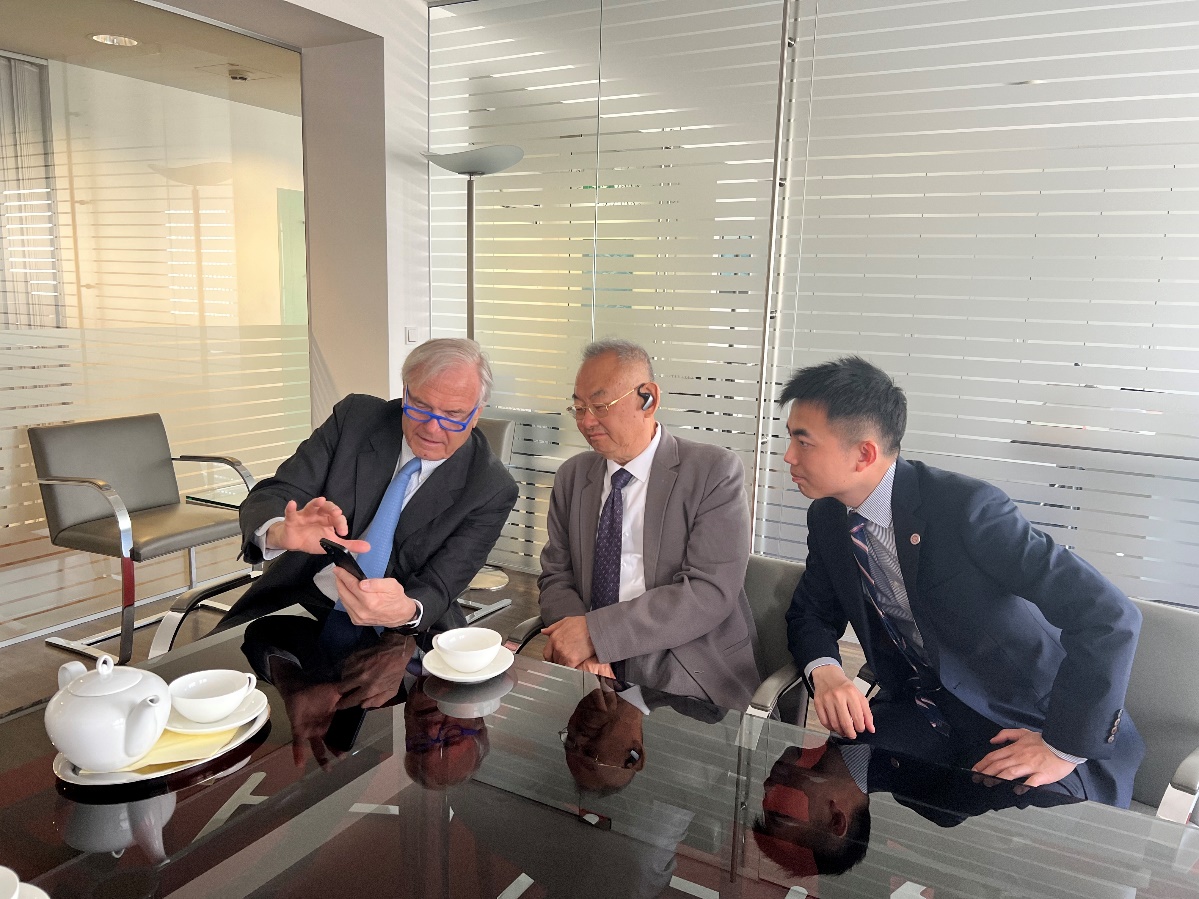
The delegation visits RHI Magnesita
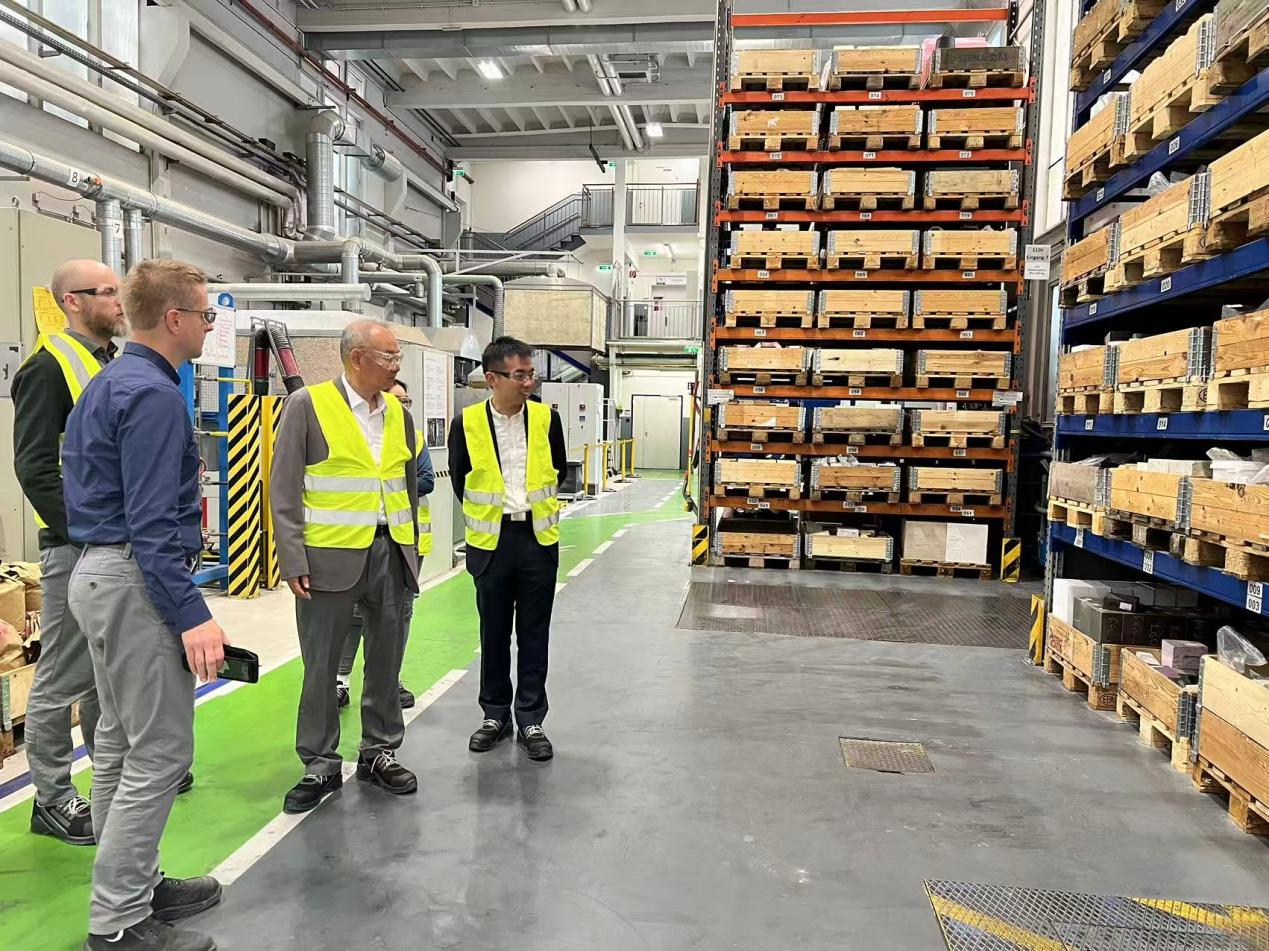
The delegation tours the pilot facilities at RHI Magnesita's R&D Center
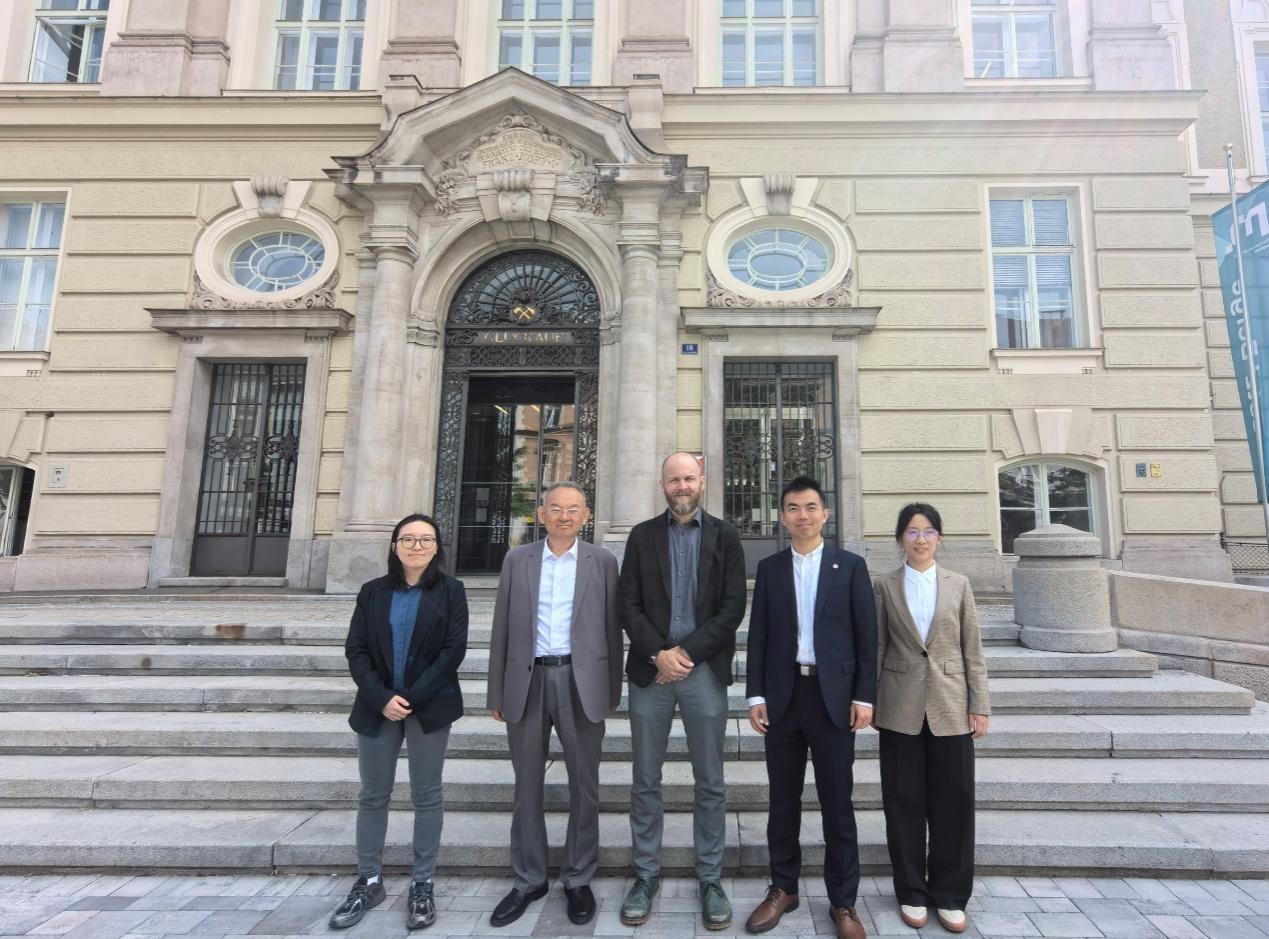
The delegation visits Montanuniversität Leoben
During the visit, the delegation paid a courtesy call at the Embassy of the People's Republic of China in Austria and held a working meeting with Ambassador Mei Qi and Science and Technology Counsellor Zhongcheng Wang. Prof. Jin thanked the embassy for its longstanding guidance and support for Peking University's exchanges and cooperation with Austria. He outlined the university's recent progress in natural hydrogen exploration and CCUS and presented ideas for deeper cooperation with Austrian companies and universities. Prof. Kaiqiang Zhang briefed the progress meeting and future plans of the China-Austria intergovernmental industry-university-research collaboration project. Ambassador Qi commended the Institute of Energy for its leading role in advancing high-level China-Europe cooperation in science and education. She affirmed the project's results, noting its potential to become a model for China-Austria scientific and technological cooperation, and said the embassy would continue to provide strong support for related initiatives.
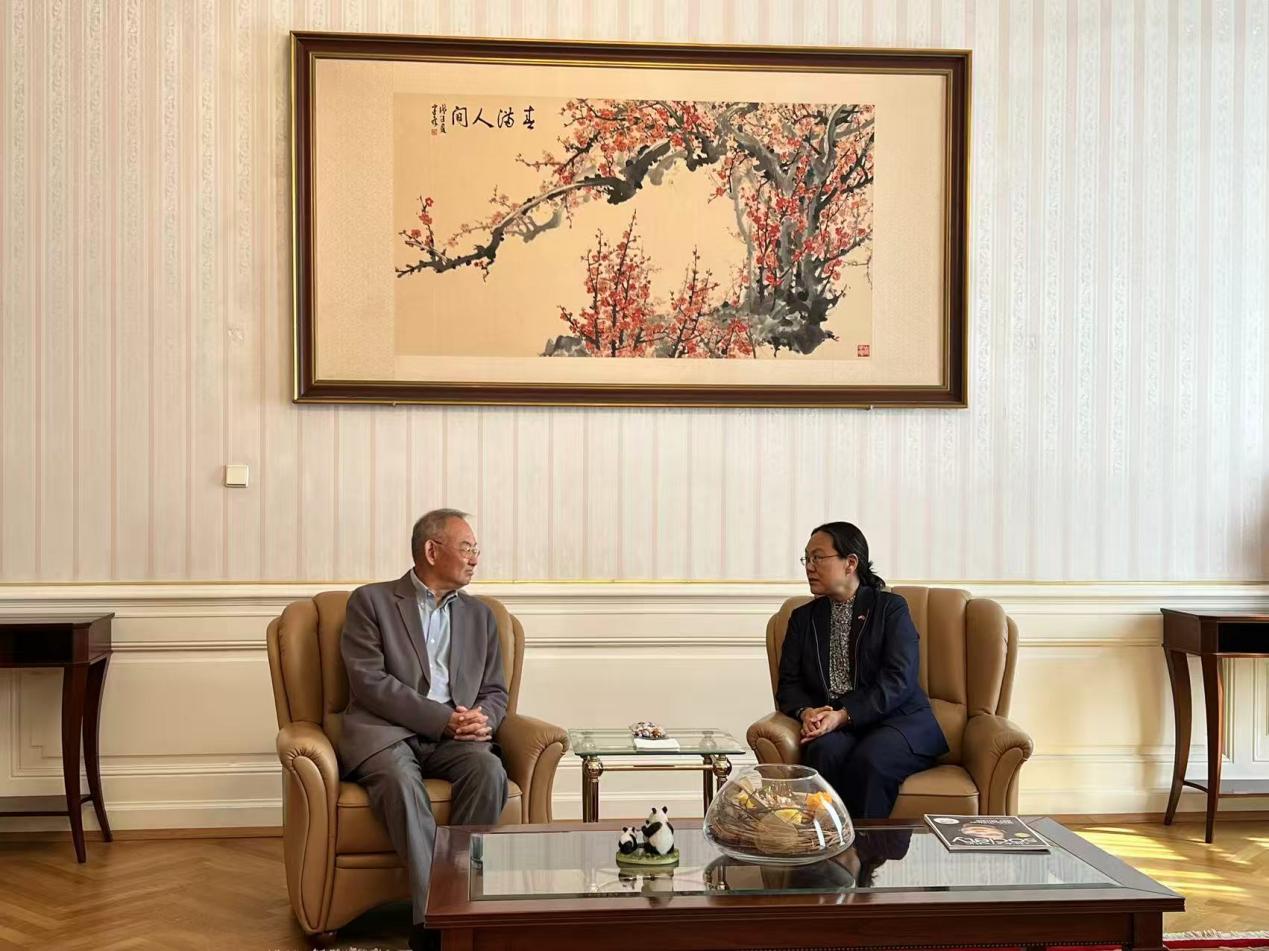
Ambassador Mei Qi meets with Prof. Zhijun Jin
The visit further strengthened academic trust and practical cooperation between the Institute of Energy, the Peking University Ordos Research Institute of Energy, and Austrian companies and universities. It also broadened the scope and depth of bilateral cooperation and laid a solid foundation for further scientific research and project collaboration with a global perspective.